24-Hours To Improve Pellet Stove Clearance Sale
contemporary pellet stove of a Pellet Stove Clearance Sale Pellet stoves offer efficient, economical heat for your home. You can also control your heating system more efficiently with a pellet stove than you can with an electric stove that burns wood. But, choosing the best pellet stove for your needs takes careful evaluation. It is important to act early to ensure your preferred model is in stock and ready to be installed as winter approaches. 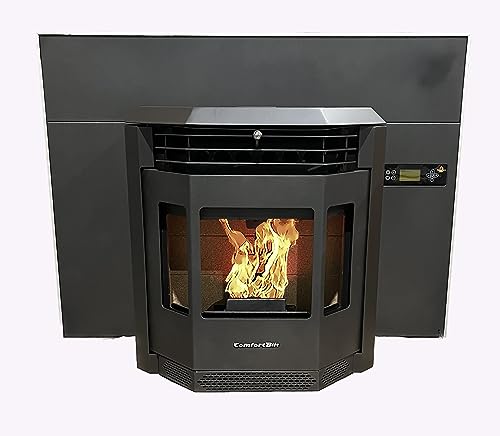 Benefits Pellet stoves offer a variety of benefits for homeowners that will improve their comfort and energy efficiency. These stoves can generate a lot of heat and reduce the cost of heating. They are an excellent choice for households that want to go to a more sustainable alternative to traditional fireplaces made of wood or gas units. In pellet stove furnace to wood firewood, pellets tend to be less expensive than other fuel sources and require less storage space. They also burn more cleanly than open fires, generating less harmful emissions. Pellet stoves are also easier to use than their counterparts with fireplaces, and many come with automated features, such as thermostatic controls and automatic pellet feeding systems that provide the same temperature without the need for manual intervention. Many of these stoves also come with advanced features, such as remote and smartphone/internet control options, allowing homeowners to monitor their stoves from anyplace in the world. If the pellets are of good quality they will burn evenly and last longer than other types of fuel. The cost of pellets has remained relatively steady over time when compared to other energy sources. Based on the size of your home and heat setting the pellet stove can provide heat to up to 2,500 square feet for less than $4 per day. These stoves may be purchased at a cheaper cost after the holidays. Retailers can lower the cost of these stoves in order to clear out their remaining inventory and create space for new inventory. Therefore, it is the ideal time to invest in a new pellet stove to your home. Pellet stoves can heat up to 2500 square feet per day for just $4. These heaters also come with a high efficiency rating that helps to reduce the cost of energy and carbon footprints. To further reduce your environmental footprint, check out available government eco-rebates and tax credits which can help offset the price of your new unit. It is crucial to remember that, despite the advantages of using a stove constructed of pellets, these stoves require electricity to run their automated features and fans. In the event of a power interruption in power, they will not be able function. If the stove has a battery backup or manual ignition, it can be operated in this scenario. Installation Installing a stove requires carpentry and understanding of local building codes. If you have no experience with electricity or wiring it is recommended to get an electrician. Before starting the work, ensure there's no power connected to the wires you'll work on, and that your electrical circuit breaker can handle the demands of the stove. A hearth pad or board is also essential to protect your floor from the scorching heat of the stove. You'll have to decide the best way to vent your stove. Freestanding stoves require a chimney to channel exhaust fumes away from your home, but wall-mounted units can vent directly through the wall and are an excellent choice for smaller rooms. The first step in installing a freestanding pellet stove is to build a chimney liner which connects to the stove's exhaust port, which is usually at the top of the stove. You'll need to make through the wall on the outside and then create an opening that is screened at the top of the house. Pellet stoves can be vented through the side or rear walls of your home. However you must follow local regulations and manufacturer guidelines to ensure the safety of your family and the safety of your pets. Most stoves require just 3 inches of clearance from surfaces that are combustible which is less than fireplaces and wood stoves. Check the manual for your stove to determine the required clearances for your model. If you decide to install a wall-mounted appliance, you can use the straight vertical vent. It's the most common one, and is also the cheapest. It will still require a non-combustible flooring protector as well as a hearth board, or pad, as well as a 4” diameter tube (regardless if you have an EVL). However, this type of venting is more efficient than older style venting which required the use of a horizontal flue line on the roof. If you already have an existing chimney, you'll need to use a flexible chimney liner or a more rigid one to direct the exhaust fumes from the stove. Also, you'll need to take off the chimney cap and put in an alternative one when you're ready to put in your pellet stove. Install carbon monoxide alarms throughout your home, particularly close to sleeping areas. Maintenance Many people are astonished by the fact that a pellet heater needs regular maintenance, along with regular cleaning. While you could do a lot of the basic maintenance yourself, it is recommended that a certified technician perform thorough cleaning at least once per year. The annual cleaning process isn't just a safety inspection but can also assist you in maintaining the highest effectiveness and longevity of your stove. The interval between cleanings will depend on the frequency of use and the quality of pellets you are using. The recommended cleaning interval in the owner's manual for your stove or by speaking to an expert who is familiar with your stove. It is essential to clean and scrape your stove and burner regularly. This will prevent a buildup of carbon which could impede air flow and cause poor combustion. It is important to remove any clinkers. They are the burned pellets that have bonded together and become too large to pass through the auger into the ash pan. You can also do an inspection of the visual aspects of your stove. This can help you spot any problems before they become major issues, such as a loose fan belt or grate bars that require to be tightened. You should also check for any electrical sensors that need cleaning or replacement and test them to ensure they are working properly. It is crucial to clean the hopper and feed systems at the end of each heating season to avoid the rust from developing. It is also recommended to take any unused pellets from the stove prior to covering it for the season. This will prevent problems when you light the stove for the first time during the winter. Professionals can also help you with other important tasks on your stove, such as replacing the ash pan lines and blower motor brushes. They can also grease fans and motors in order to prolong their life span and reduce friction. They can also inspect and replace gaskets on the fire chamber door and ash pan door and hopper lid to make sure they are tight. How to Select a Stove With winter fast approaching, it's important that homeowners consider their wood stove or pellet stove purchase in advance. By making use of discounts during off-season, and prioritizing preparation prior to the winter season, they can secure their preferred models. They can then have them installed whenever it is they are convenient. This proactive approach reduces stress and last-minute rushes, and makes sure that homes are warm and cozy during the winter months. Pellet stoves, just like any other heating system, are prone to mechanical failures and electrical outages. As a result, it's critical that homeowners select stoves that have high-quality components and a broad warranty program. The most reliable brands provide up to a 5-year warranty on the major components, including the electronic board and spark plug, the gearmotor as well as the tangential fan and smoke extractor. When choosing a stove homeowners should also take into consideration the availability of spare parts as well as their cost. This is essential since some of these crucial components might be difficult or impossible to locate after the warranty expires. The space required for a pellet heater is important because certain models require an chimney connection to vent fumes and smoke outdoors. Federal safety standards require these stoves to be installed at least three feet away from any combustible material. Others are designed to draw air from the living room itself, rather than needing an exit to the outside of the home. When looking at different pellet stoves, it is crucial to compare the heat outputs in order to determine which one best meets your needs for heating. The greater the output of heat of a stove is, the more efficient it is and the more fuel can be burned before needing to be refilled. In addition, homeowners should look over the options for fuels for each model they're thinking of. Some models come with a hopper that automatically feeds the pellets to the firebox, whereas others require users to load the sacks manually. To increase efficiency, a lot of models include thermostat controls that sync with an intelligent home system that adjusts temperature automatically. Additionally, homeowners should be aware that pellet stoves need electricity to run their controls and fans, so they won't work during a power outage without a backup generator or battery backup. However, some manufacturers offer a backup power option to fulfill this purpose, which is a great benefit for homes in areas prone to frequent power outages.